Work at Simpl
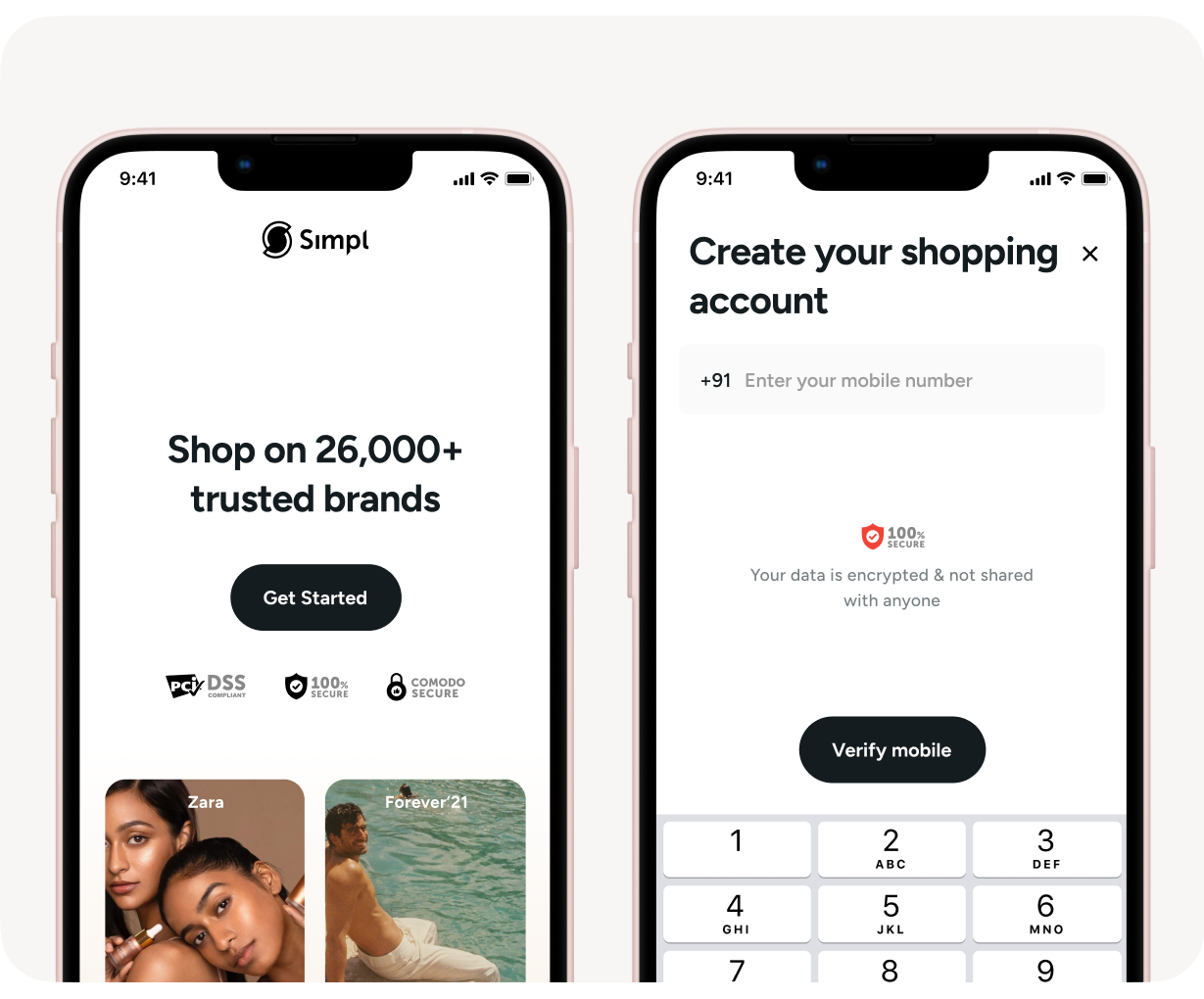
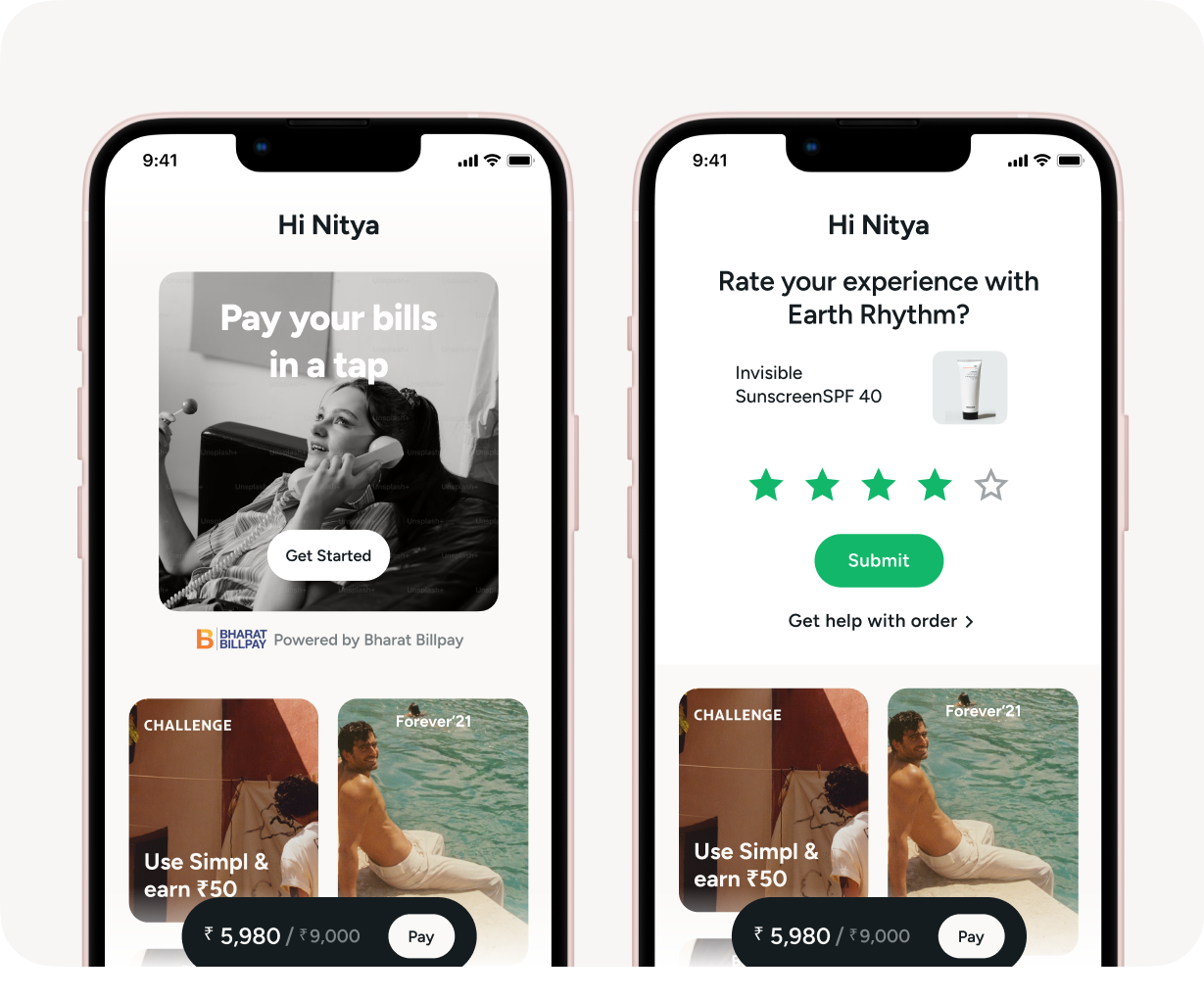
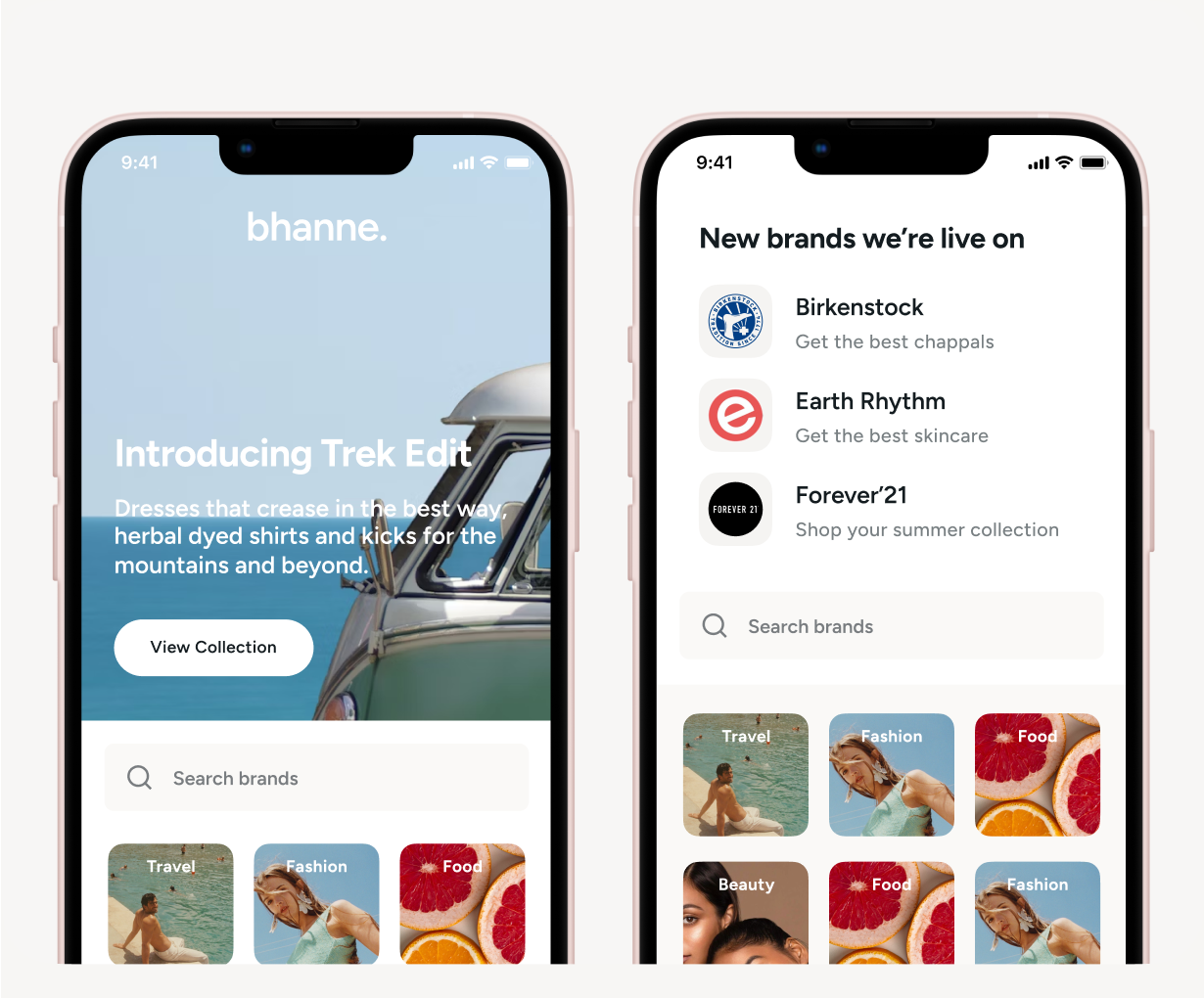
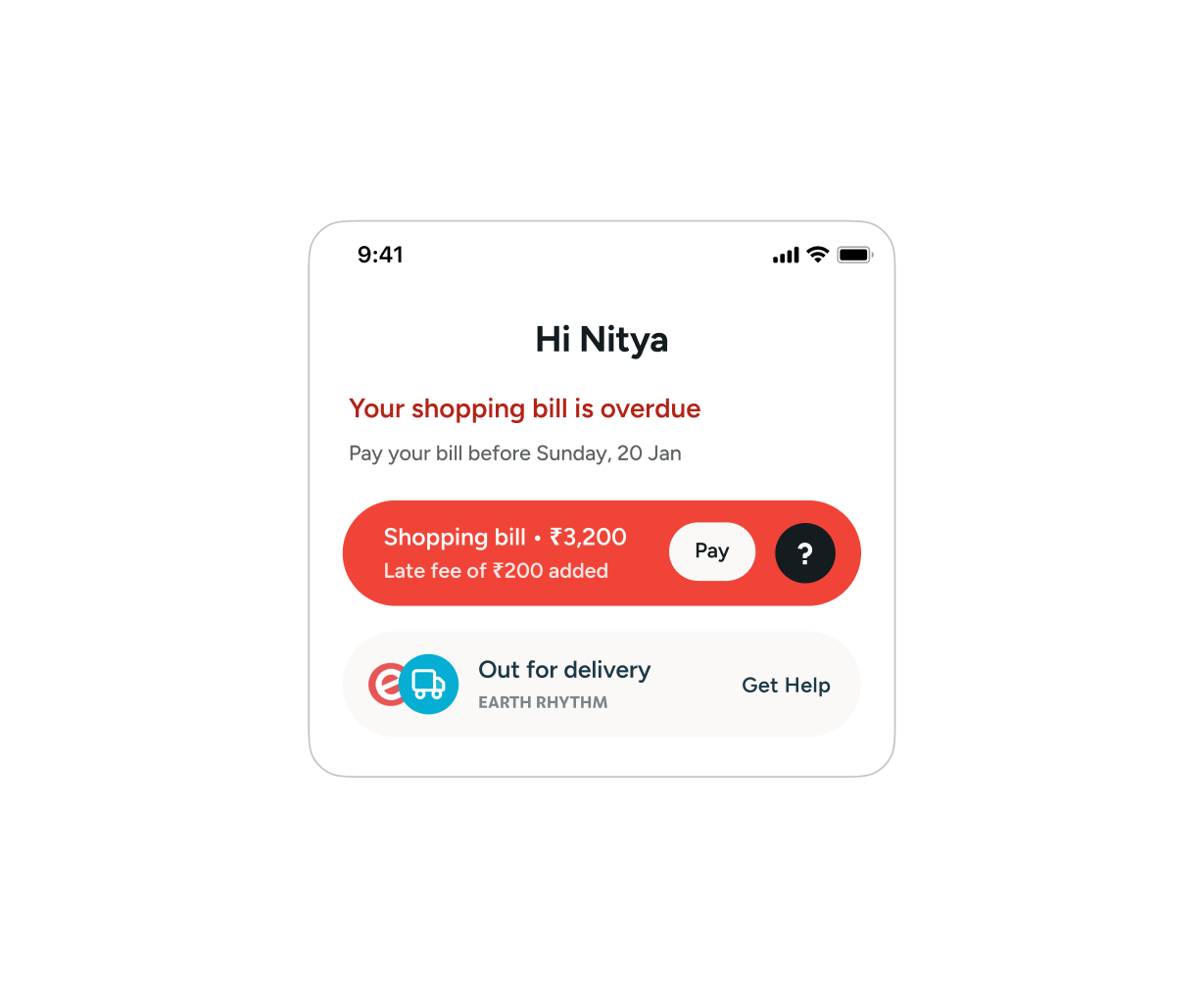
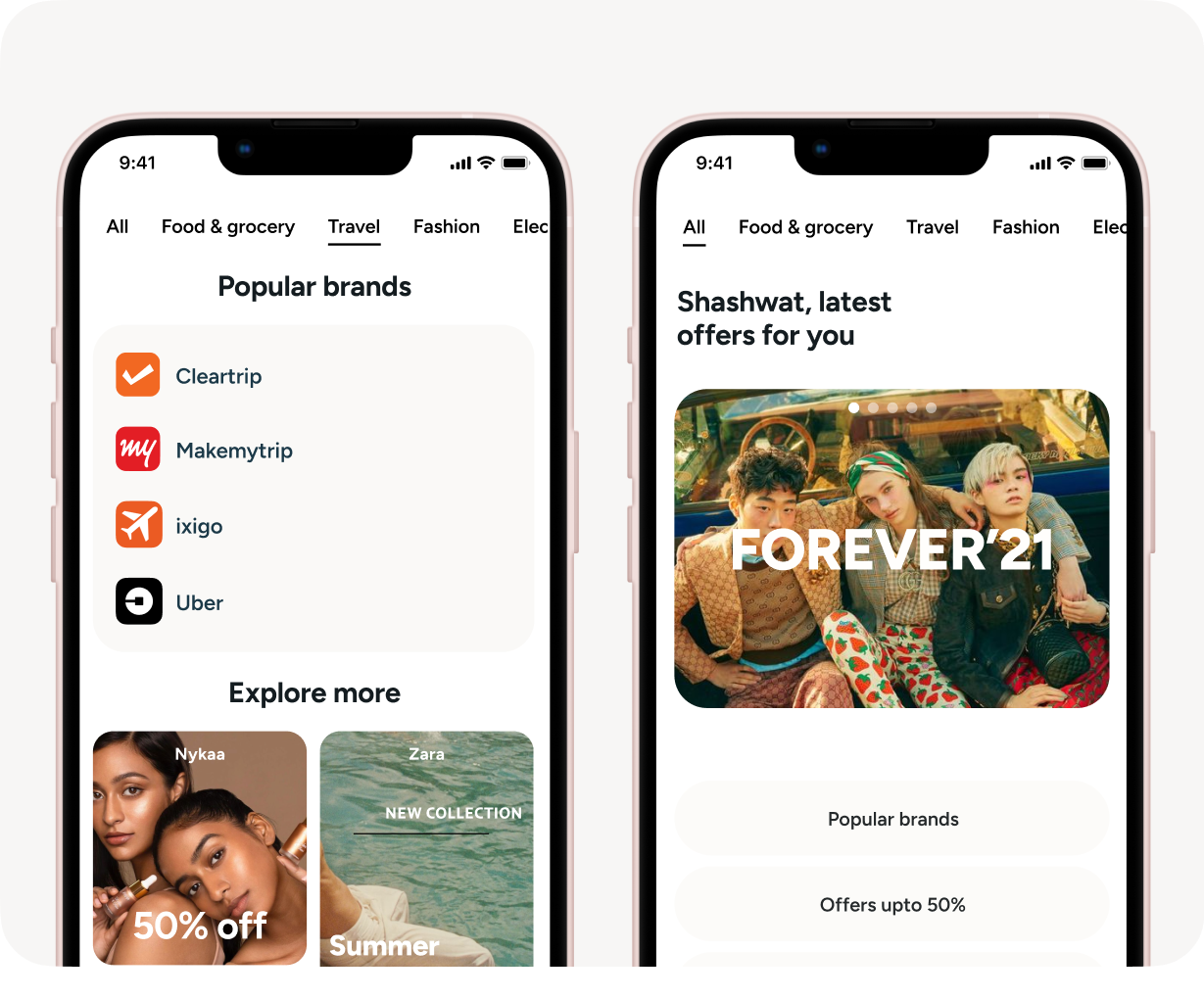
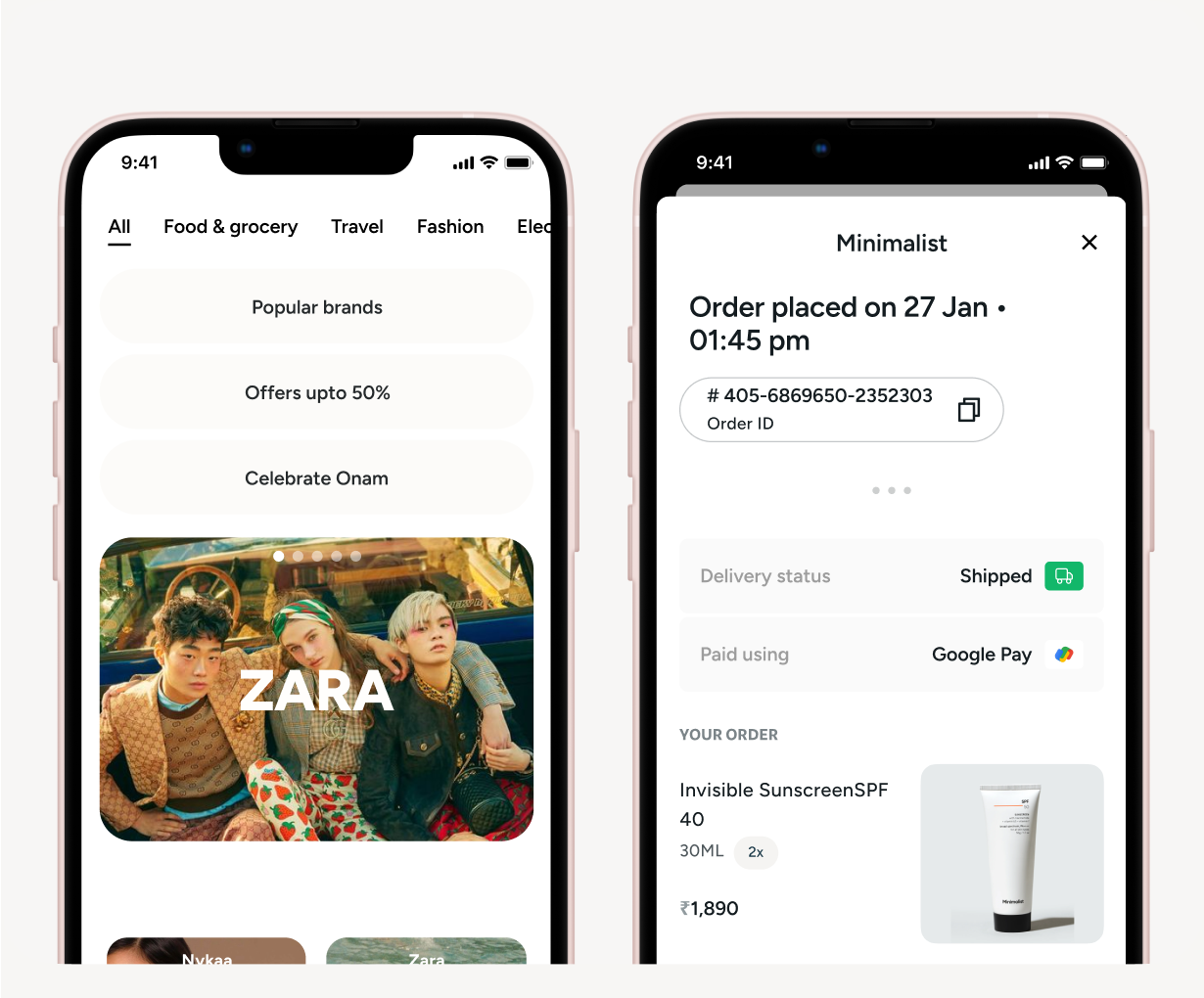
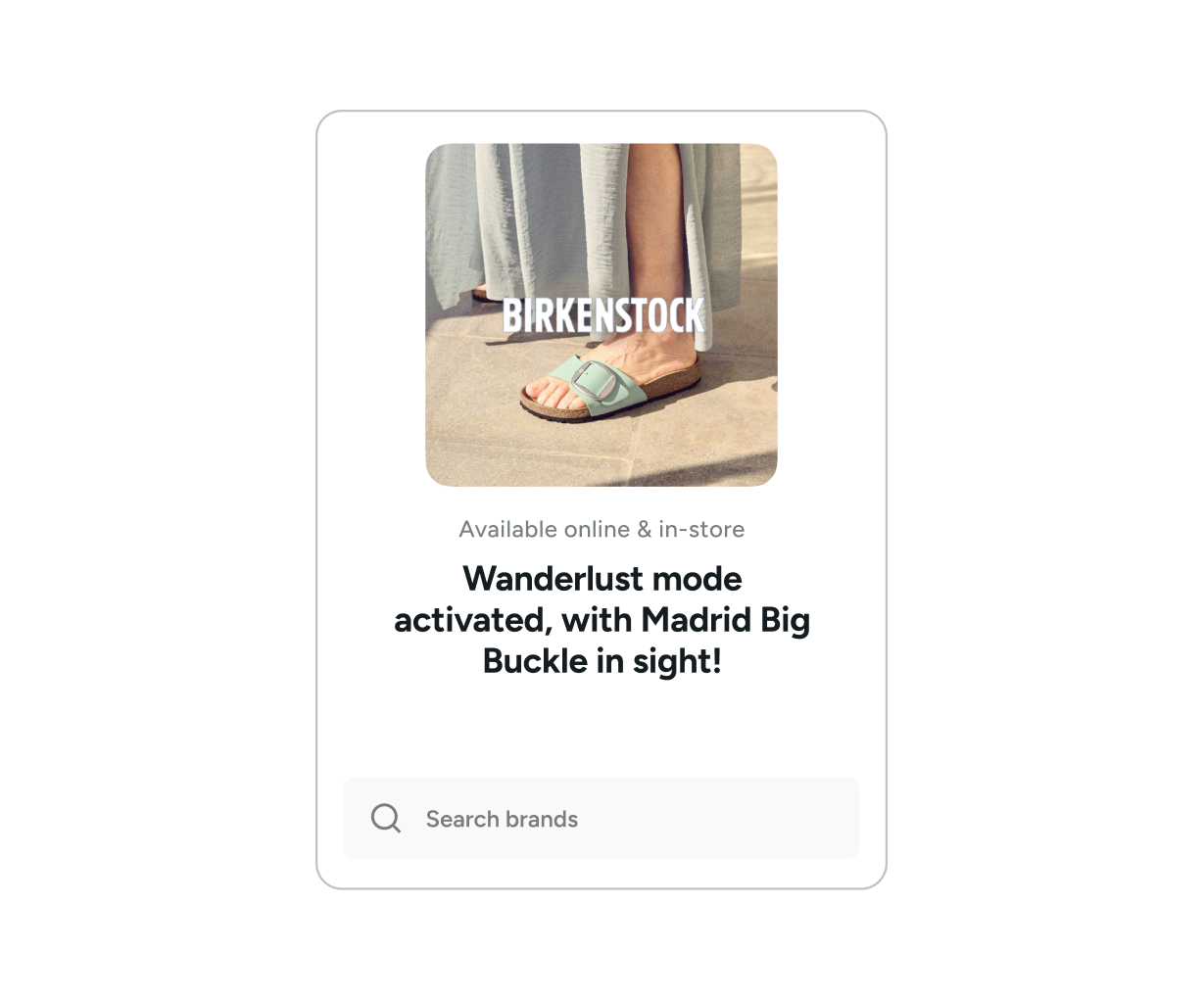
I worked on the B2C Pay-Later growth team at Simpl. Our responsibility was to enhance user acquisition channels and their efficiency. While we were revamping our brand experience, I focused on shifting our app's behavior from payment-oriented to shopping-oriented.

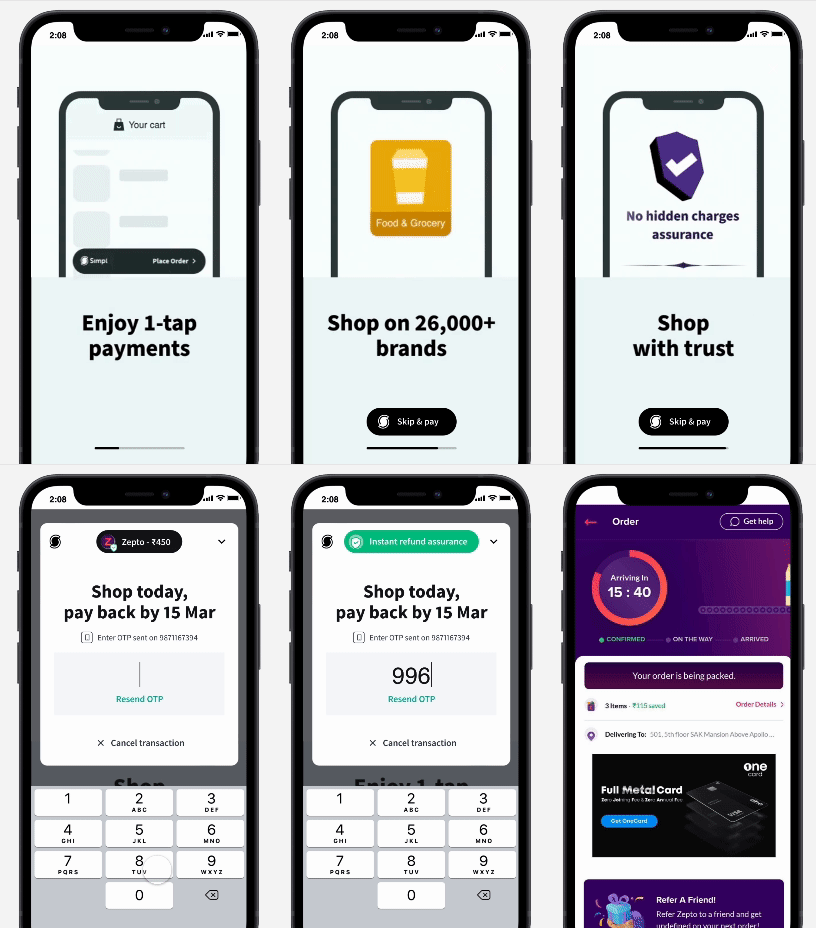
Introducing Pay Later as a Convenience Solution, Not Just Credit, to Users Across India

We conducted five experiments on our core acquisition channel using exit feedback, user research, and merchant-specific insights, along with insights specific to use cases
The project resulted in a 15% increase in user conversion. Additionally, onboarded users felt more confident about what Simpl is, and they had fewer concerns about Simpl affecting their credit scores.
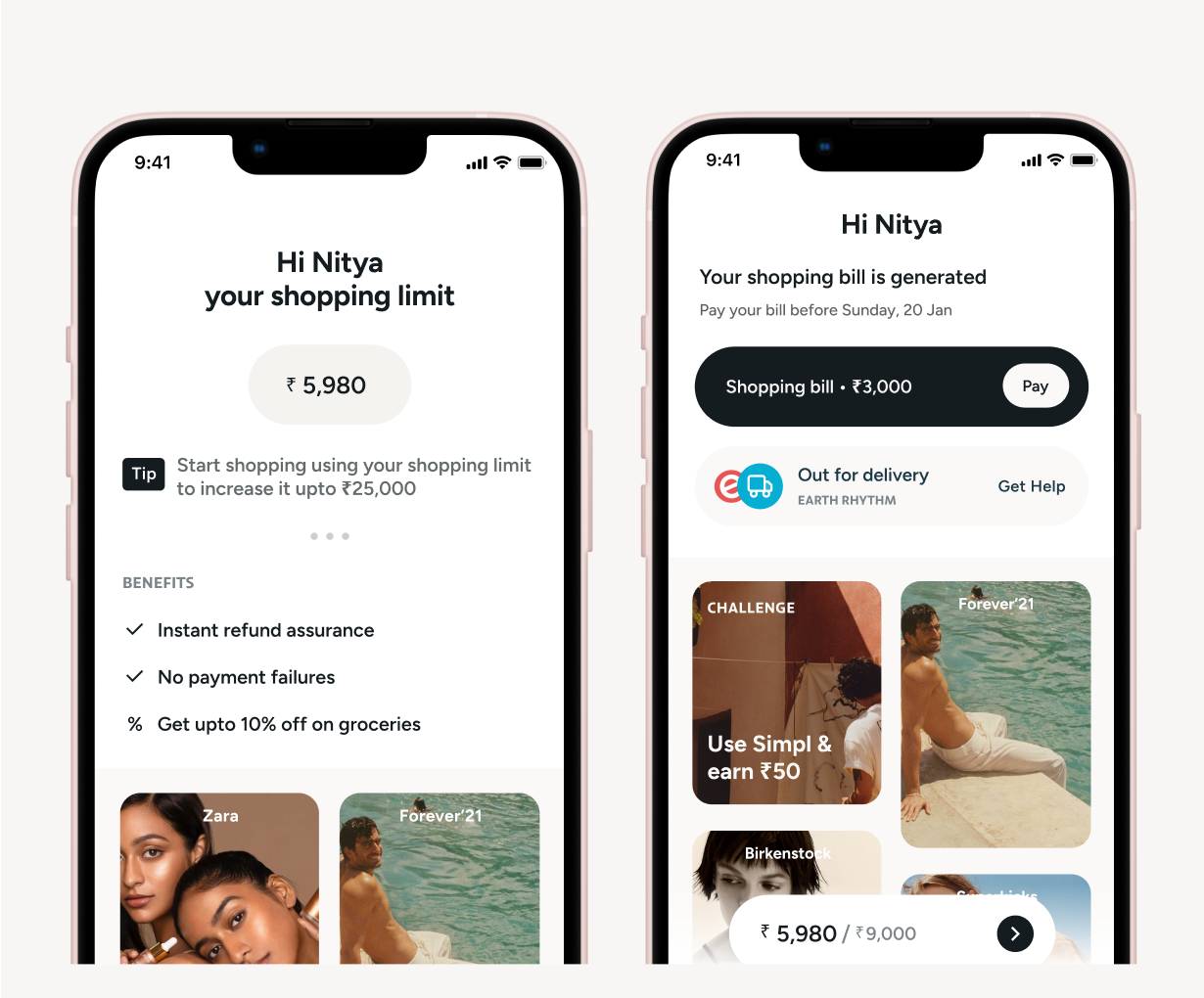
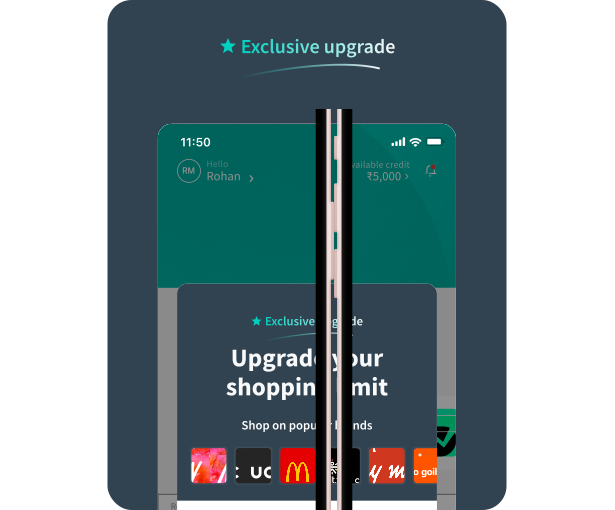
Unlocking the Full Potential of Simpl for Our Top Users to Enhance their E-commerce Experience
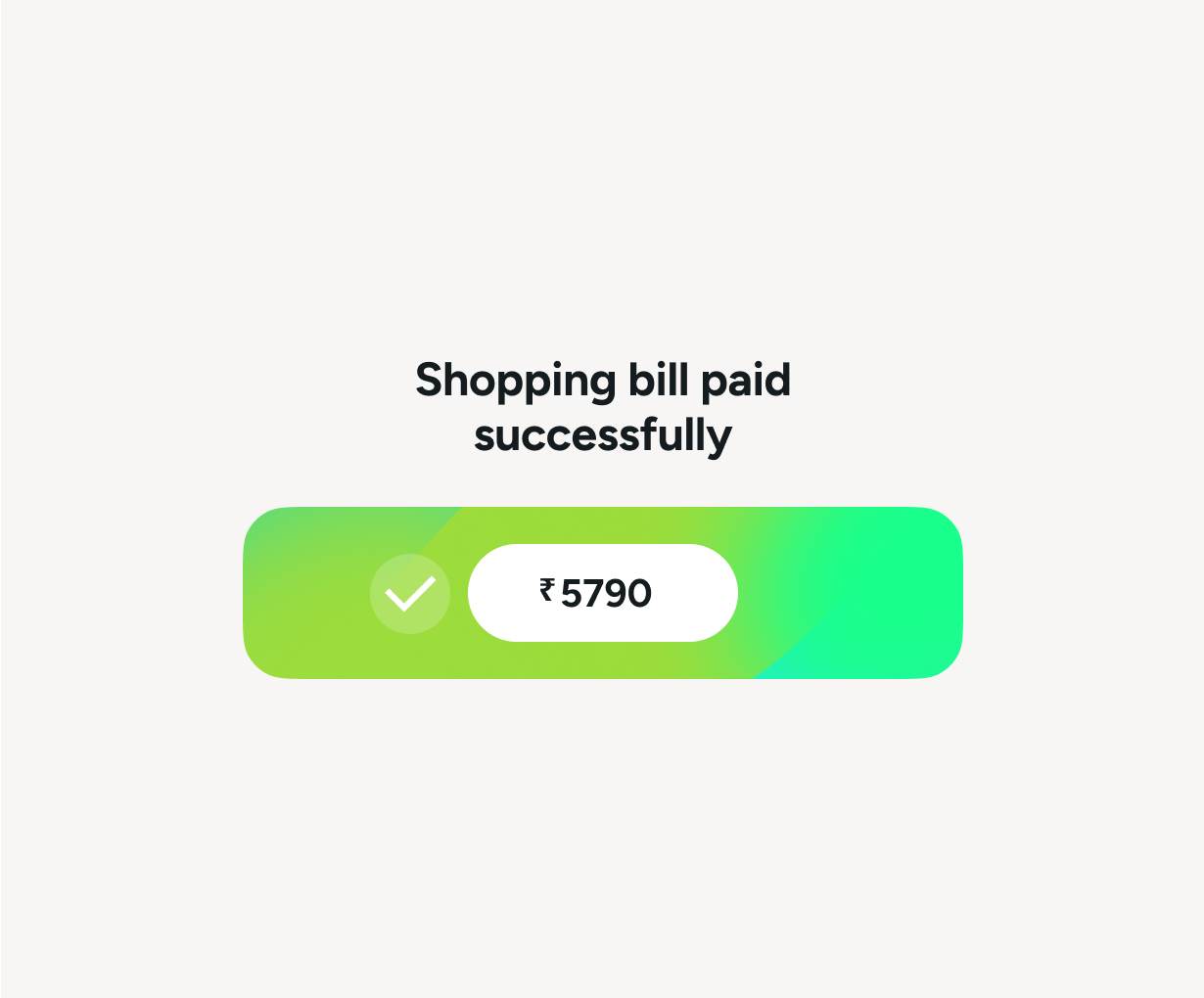
The project resulted in a 216% increase in the bill size of users early in their Simpl lifecycle, while keeping the delinquency rate for new users the same
It also enhanced user satisfaction, as users were able to use Simpl almost everywhere for their online commerce needs, which further reinforced one-tap shopping.
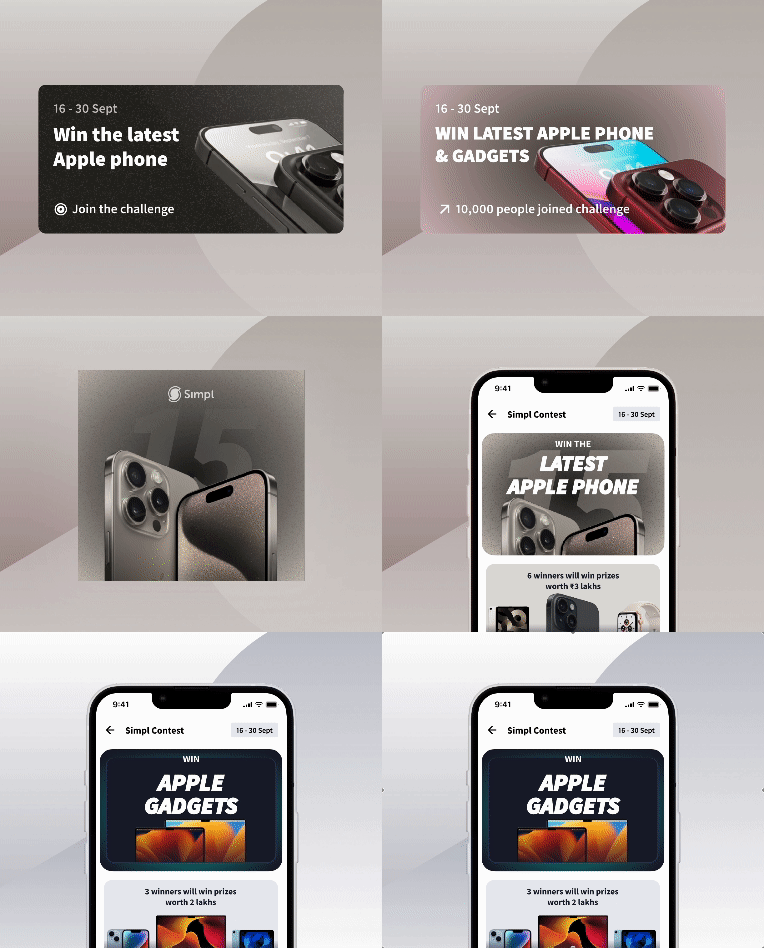
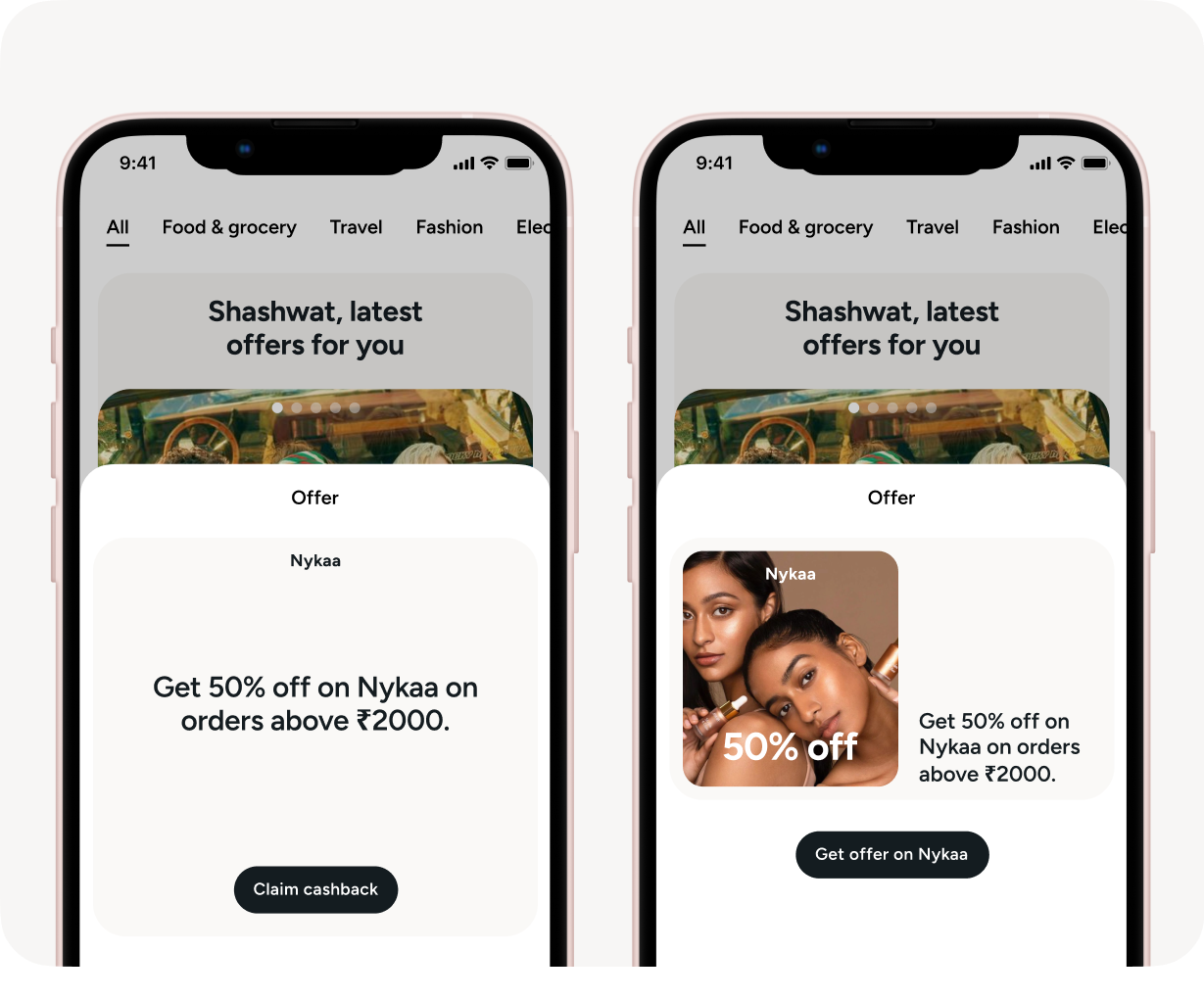
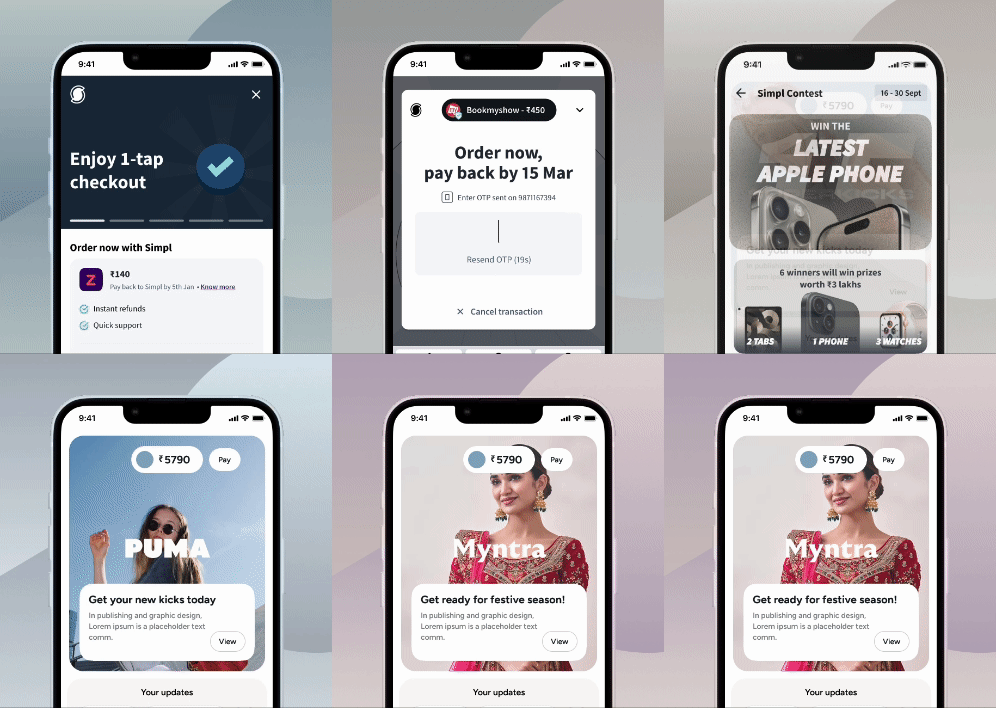
Shop & Win Contest
The project resulted in an increase of 1.9 transactions in the bills of our repeat users
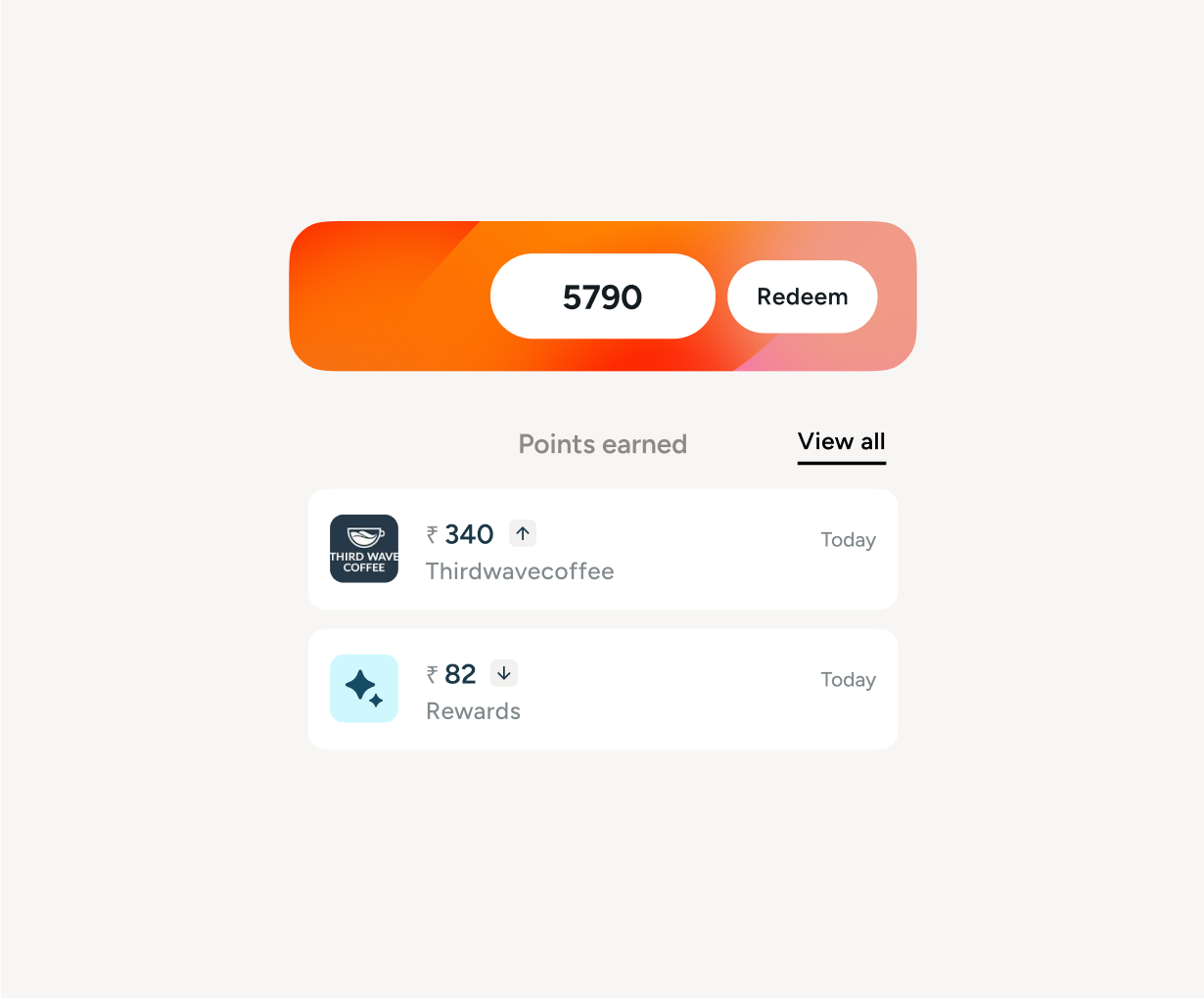
It also resulted in increased app engagement during non-bill payment periods, leading to greater brand discovery.
Research process & user recruitment at Simpl
As a team (designers and product), we frequently engaged with users within the scope of our products. Initially, we attempted direct calls, but this approach had very low success rates and provided limited valuable insights. Subsequently, we utilized customer support to arrange calls with our users, which necessitated blocking their time, a process that typically took at least a week
During this time, I began exploring alternative methods, and one of them proved successful for us. This reduced the total recruitment time to just one day, making users more confident about what they had signed up for. It also streamlined the process of scheduling our users, resulting in more efficient research execution.
Brand & product refresh